Rethinking workplace inclusion
WORKPLACE
We use cookies.
Cookie Settings
We use cookies on our website to give you the most relevant experience by remembering your preferences and repeat visits.
Strictly Necessary
Necessary cookies are absolutely essential for the website to function properly. These cookies ensure basic functionalities and security features of the website, anonymously.
Analytical or performance
Analytical cookies are used to understand how visitors interact with the website. These cookies help provide information on metrics the number of visitors, bounce rate, traffic source, etc.
Functionality or appearance
Functional cookies help to perform certain functionalities like sharing the content of the website on social media platforms, collect feedbacks, and other third-party features.
No results found
WORKPLACE
Client
Location
Size
Status
Sector
Discipline
There is no ‘one size fits all’ approach to designing a workplace to suit 2,000 individuals, so a key principle guiding the interiors of BP’s London base was inclusivity; spaces that reflect and celebrate diversity, boost wellbeing and respond to a variety of working styles. A place where everyone is respected and welcome.
Mark Davies, Director
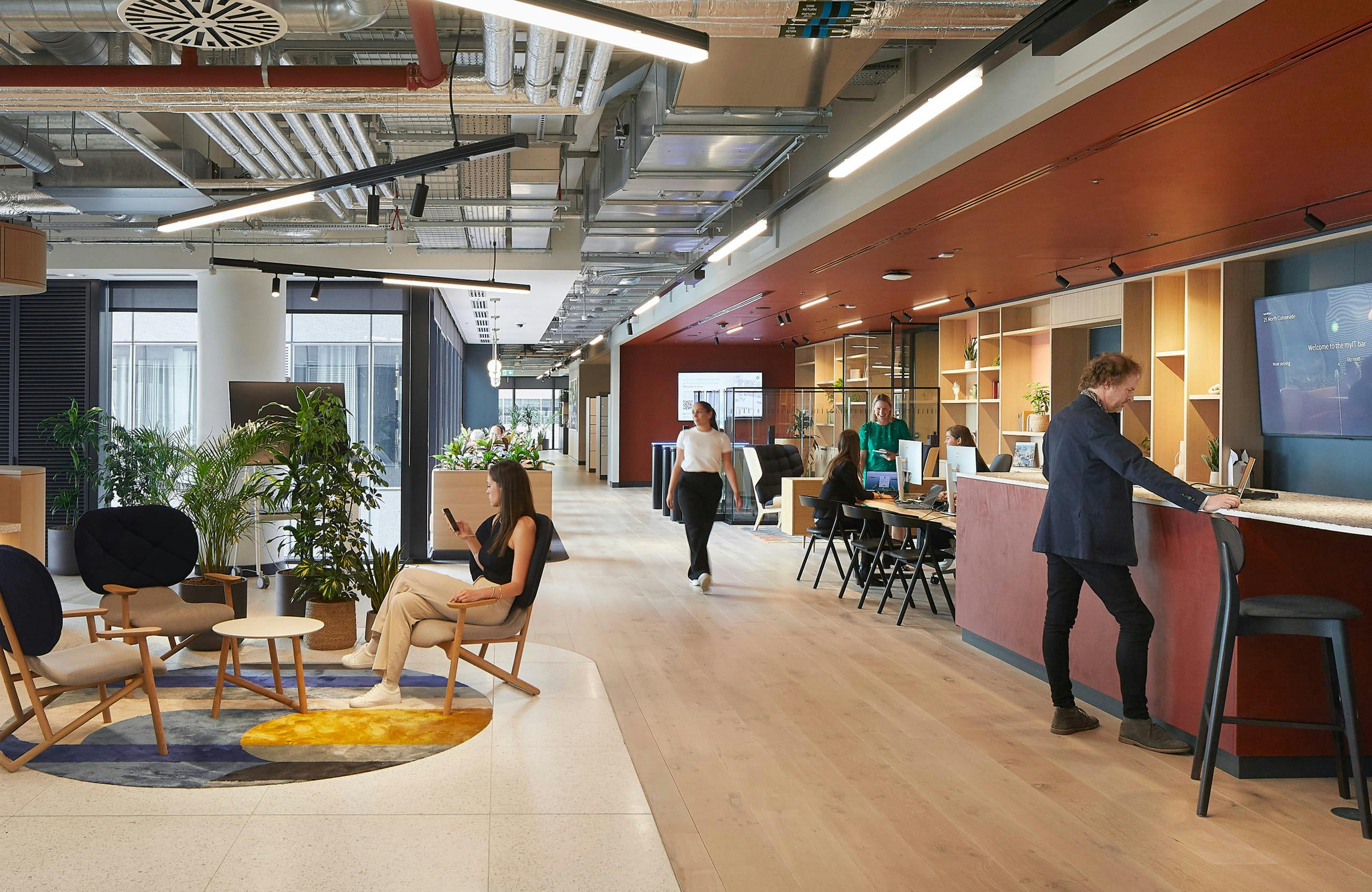
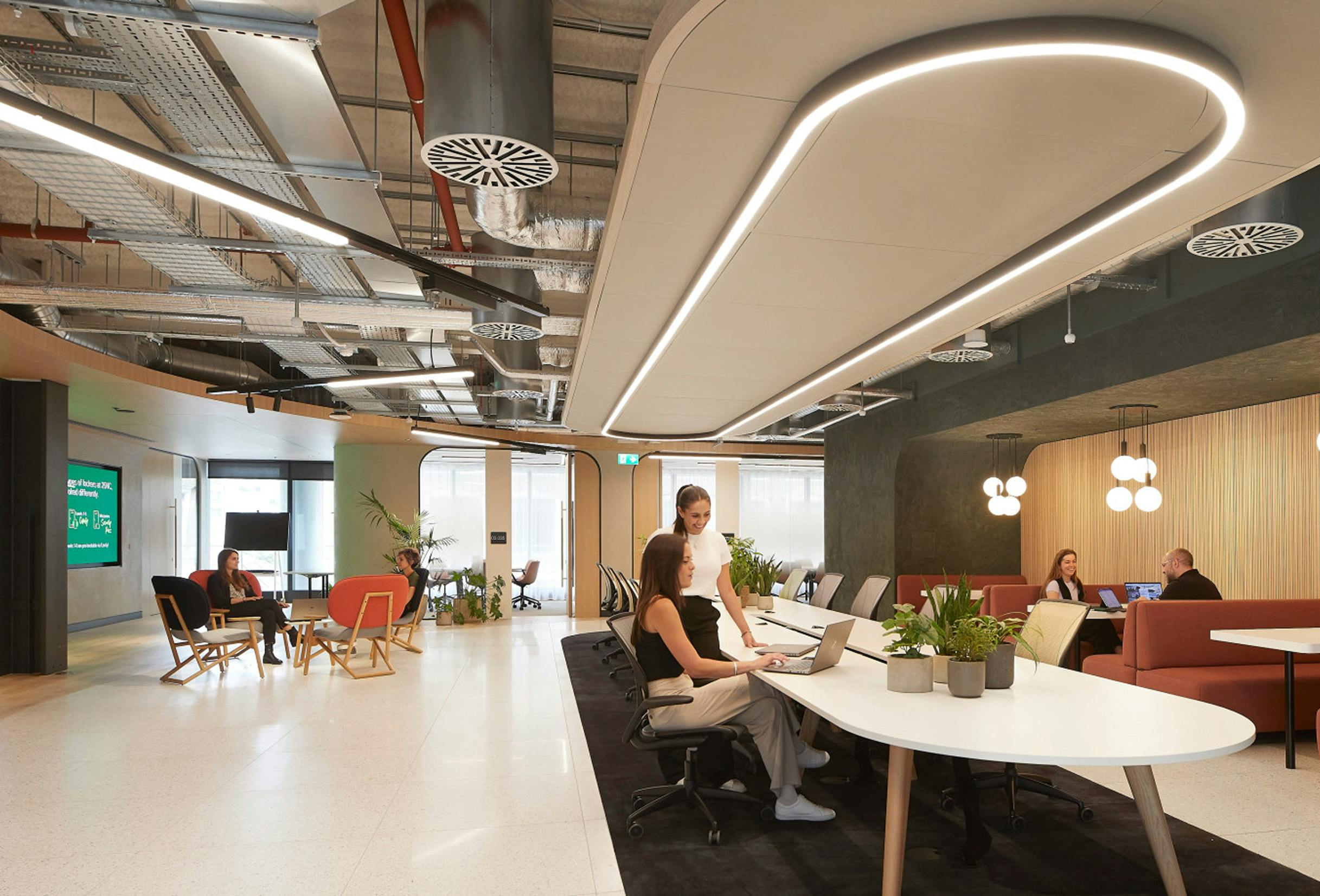
BP’s London office provides the new base for the company’s main trading operations and spans eight floors of the Cargo building, one of the first commercial developments to be built in Canary Wharf in the 1990s. The fit-out has been designed to support different ways of working. Conceived as small neighbourhoods, the workspaces offer a balance of interactive hubs and distraction-free zones.
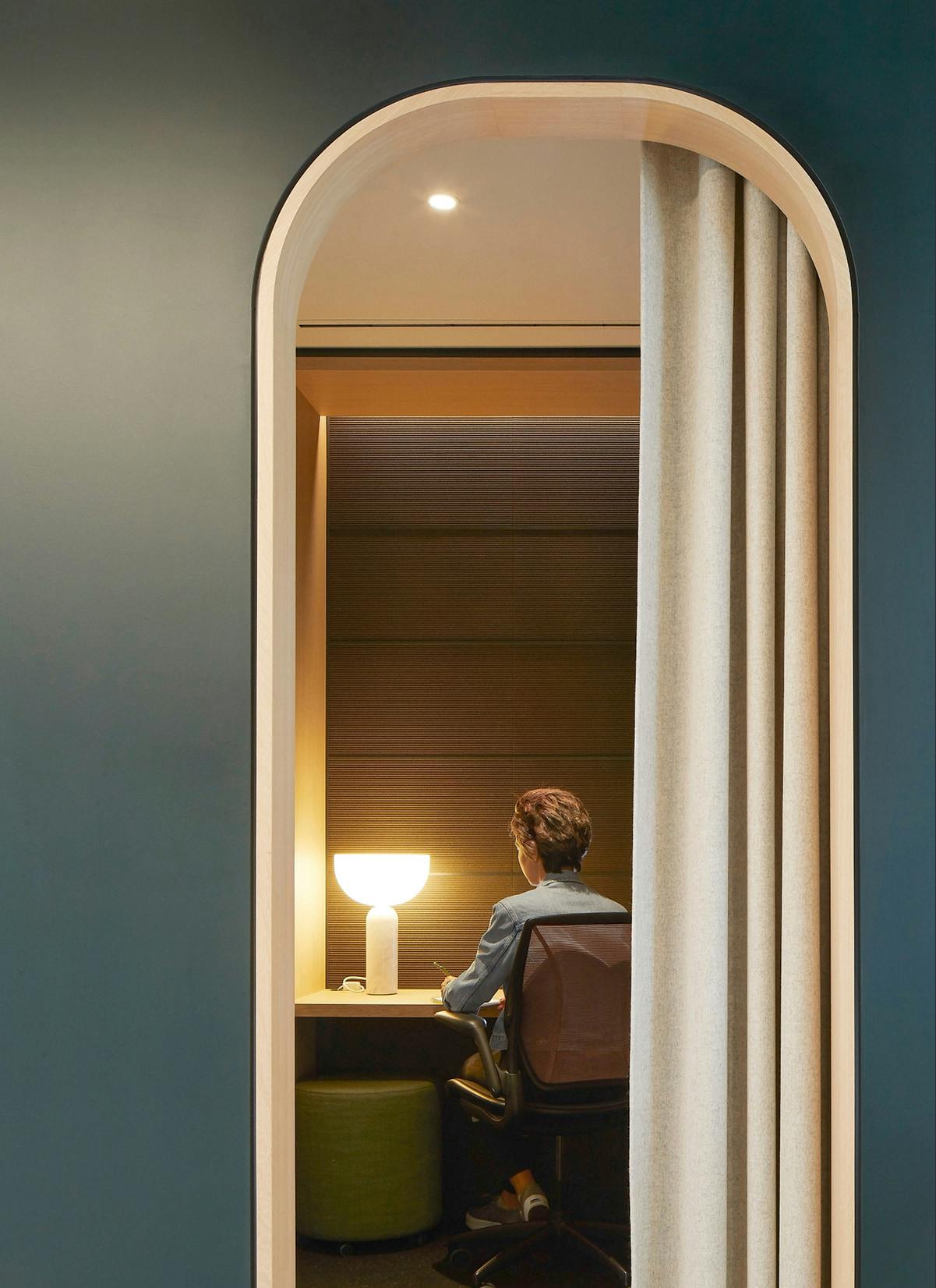
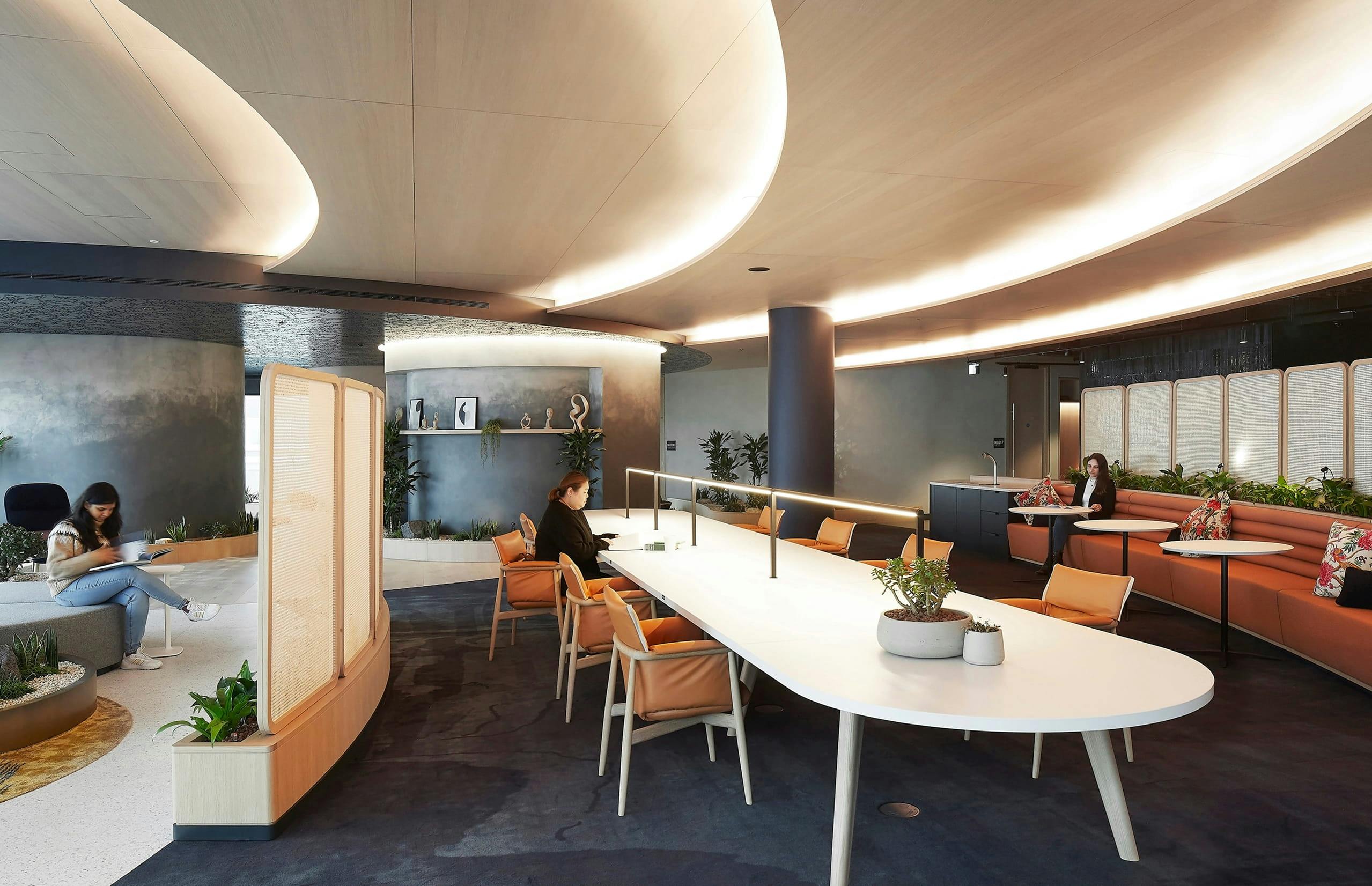
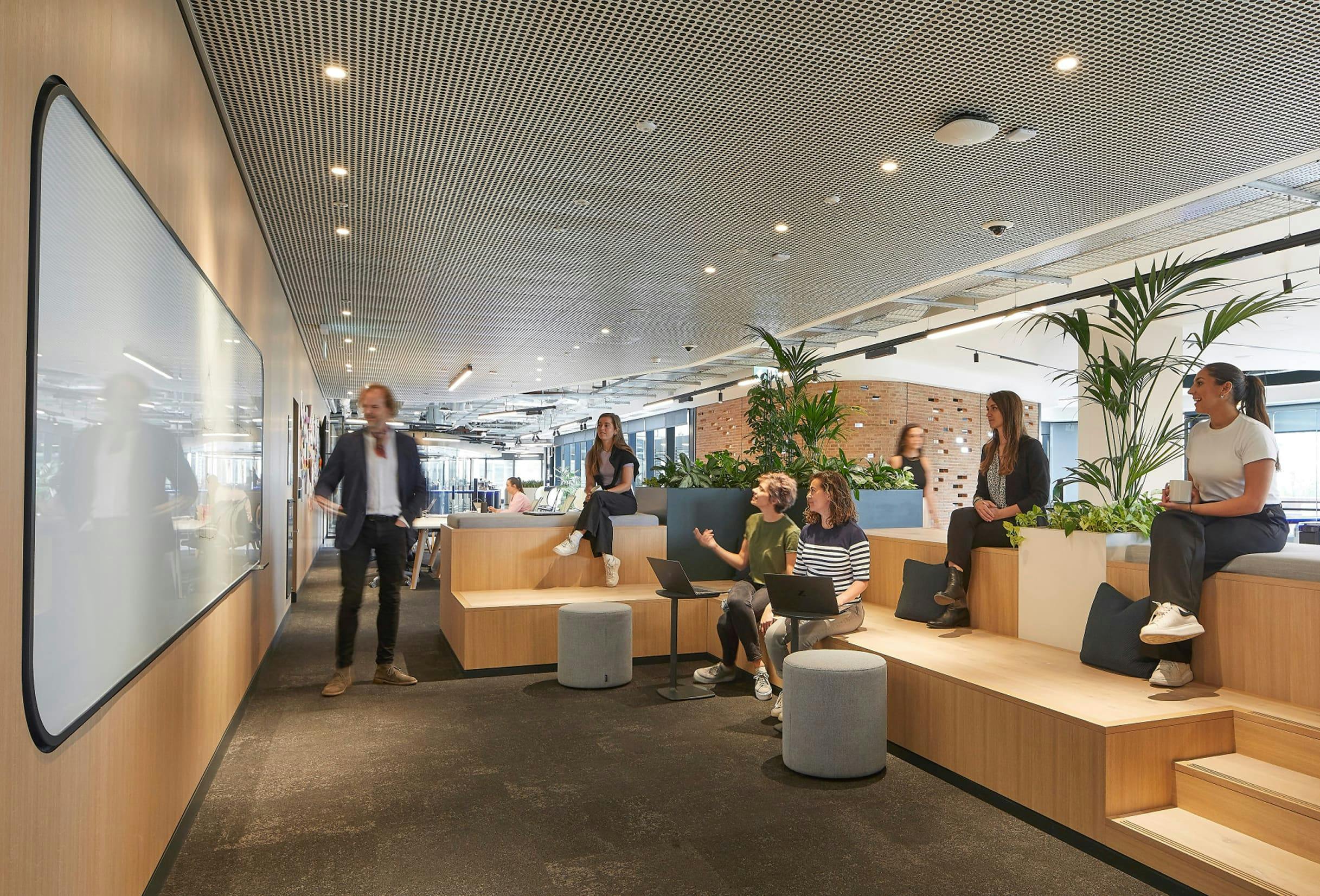
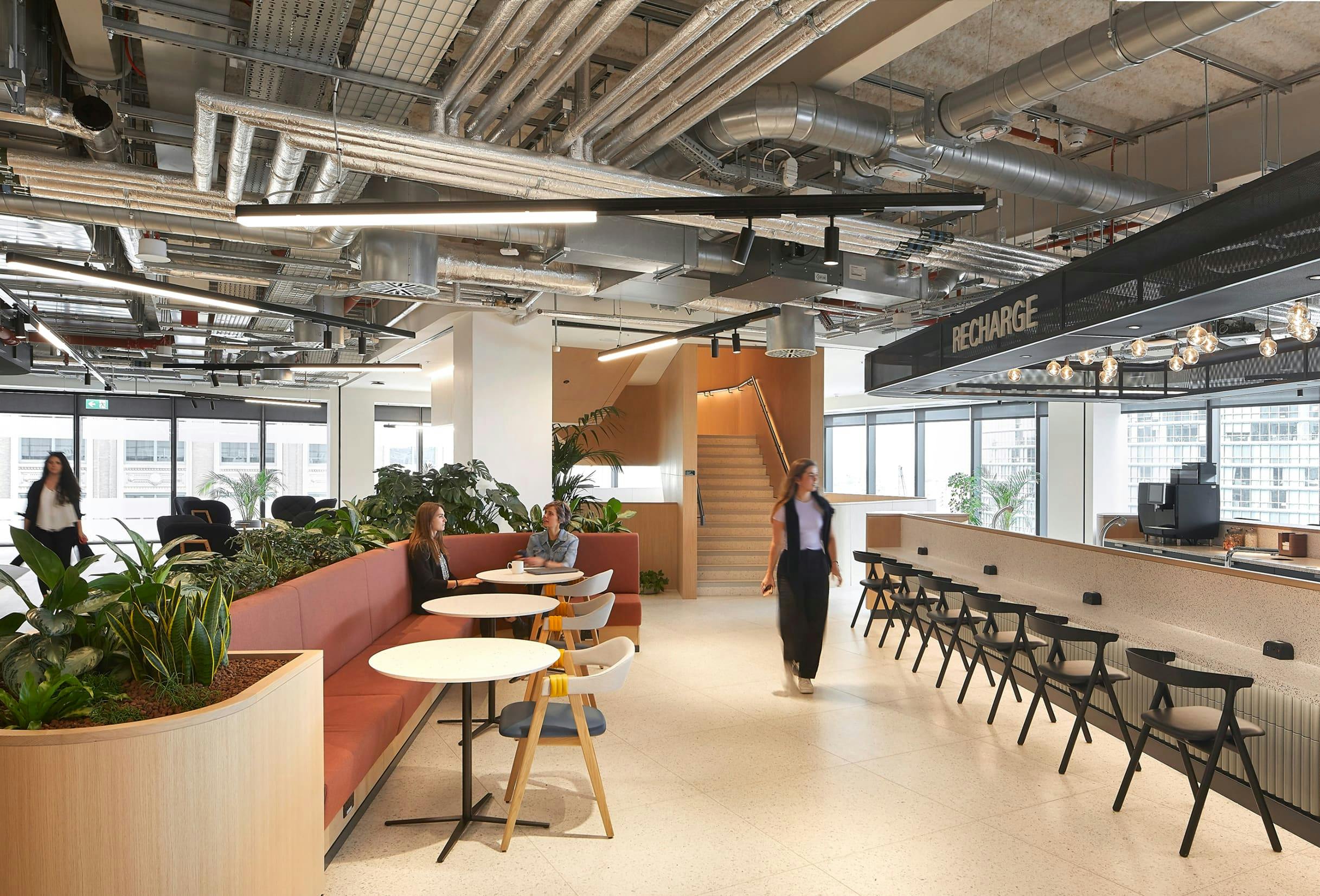
Large, open-plan areas are grouped into smaller clusters, with rows of sit-stand desks, rings of desks and team tables. Going far beyond standard requirements, every desk and meeting room has been designed with generous space to support accessibility. The third floor is an informal community hub and visitor arrival point, with meeting rooms, touchdown spaces and café set around a mosaic feature floor, opening onto a green waterfront terrace. Higher floors shift to lower-stimulation spaces, including tech-free sanctuaries, contemplation studios, parents’ and multi-faith rooms.
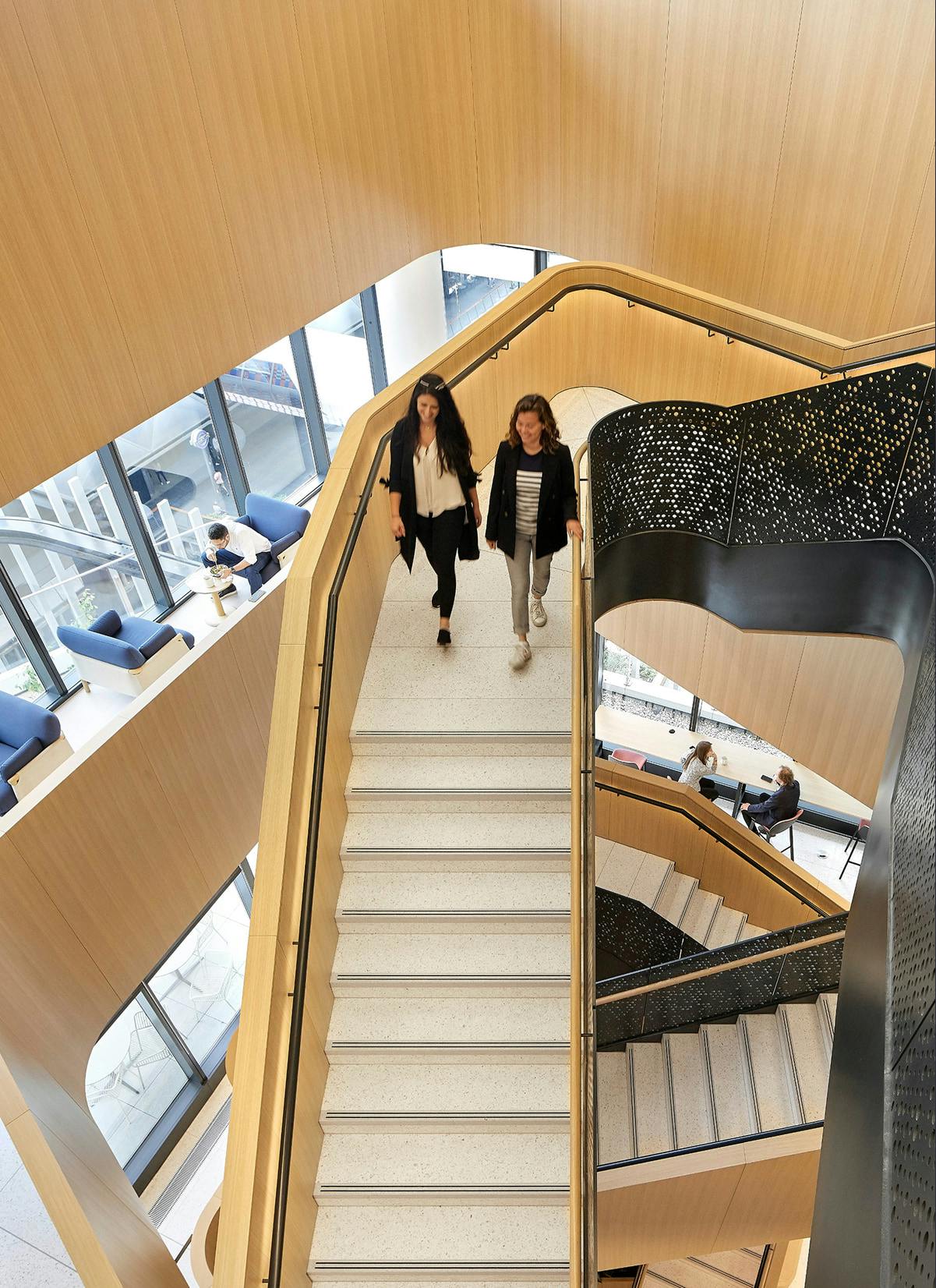
The building zones are linked by sculptural feature staircases and shifts in tone and material palette signal the transition from collaborative lower levels to quieter, more focused upper floors: warmer hues energise shared spaces while darker tones support concentration. The interiors are further softened by hospitality-inspired lighting and greenery, with almost 500 plants.
The project was designed to a bespoke sustainability charter that goes beyond the norms of a typical office fit-out. The charter sets out 45 environmental and social targets aligned to the ‘Five Capitals Model’, resulting in detailed measurement and optimisation of the project’s carbon footprint.
The team applied TP Bennett’s responsible sourcing platform, AD Lib, to assess the environmental and social impact of materials through a 65-point sustainability survey completed with suppliers.
Close to 900 specified materials were assessed against the project’s strict responsible sourcing process and 96.4% of those used met the criteria set out in the Sustainability Charter to ensure the highest standards of ethical and environmental integrity. Over 1,200 pieces of furniture were repurposed from BP's previous office, artworks by local artists were sourced and new furniture and soft furnishings were supplied by UK-based SMEs, prioritising products with a high recycled content.